About Challenge Coins

A BRIEF HISTORY OF CUSTOM COINS

Timeless Value Forged in Honor, History, and Human Connection.

The Origin of Military Coins

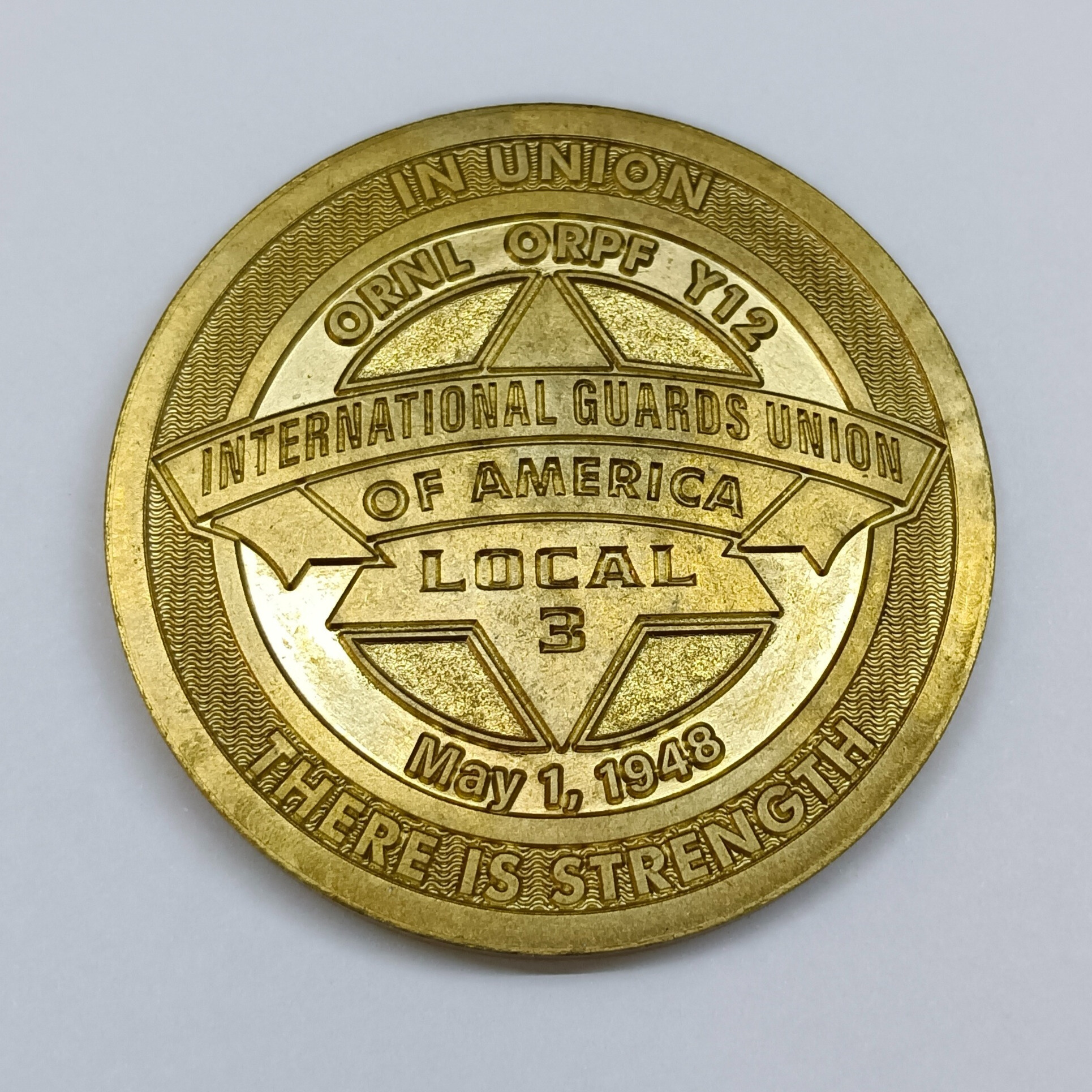
Military coins are a highly-prized and fascinating collectible, as many have a very personal story to tell, and one which often transcends far beyond monetary value. The history of military coins can be traced back to Ancient Rome, where Roman emperors minted celebrative coins for soldiers returning from battle. These coins offered a decorative value to every soldier, as each coin had a unique marking of the army legion in which they served. While soldier coins had a standard monetary value of the times, recipients would typically keep them as memorable coins and souvenirs of their military careers. Military coins are often considered a priceless gift due to the emotional value which they hold. For these reasons, military coins make memorable gifts that come with a unique and very personal moment in history.
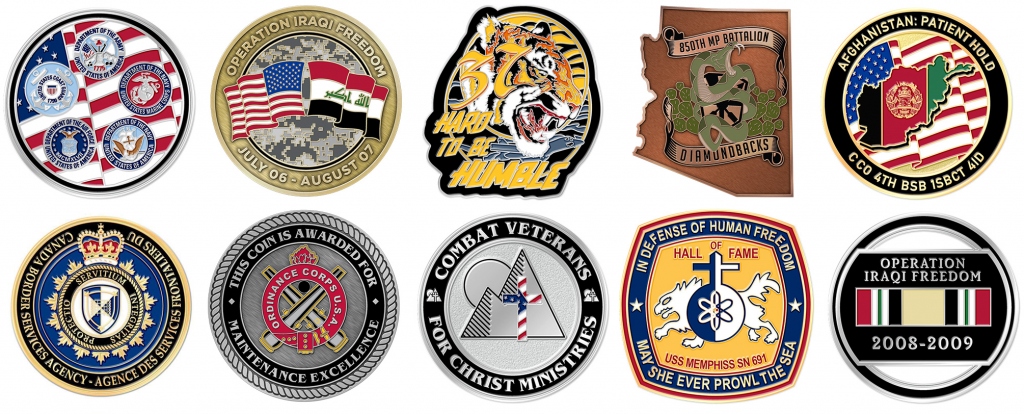
 

The Origin of Challenge Coins

As popular as they are among today’s military, challenge coins were never officially sanctioned, and are believed to have originated some time during the last century, with their exact history a topic of hot debate among military historians. One narrative suggests that the first challenge coins originated with a wealthy American lieutenant during World War I, who designed and issued bronze coins to members of his unit prior to deployment. Another account states that it wasn’t until the Vietnam War, when soldiers visiting an infantry-run tavern had to reveal a challenge coin or enemy bullet to gain entrance, did challenge coins would come to prominence.

Today, challenge coins reflect a tradition of military service and camaraderie among the members of its various branches, while custom challenge coins have also made their way into civilian life and organizations, where they hold a similar value of service and reward.

Unique challenge coins are often awarded for military service or duty, graduation from a training program, or as a token of gratitude from a president, commander or other military officer. National dignitaries often award one another with challenge coins, passed through a handshake, as a token of goodwill or for the purposes of strong foreign relations. Challenge coins are a very popular collector’s item and are often prized for their value and rarity.

Explore our military coin galleries:
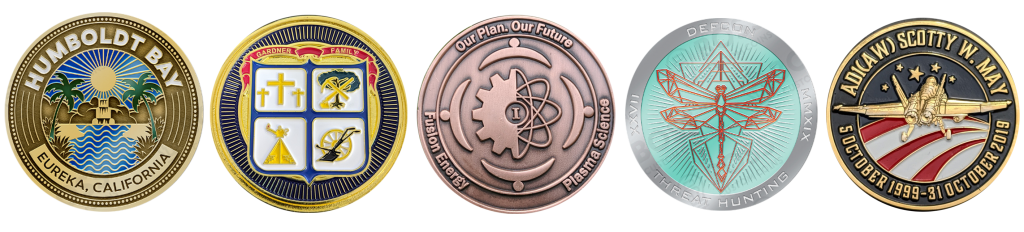
Modern Personal Coins

The Origin of Commemorative Coins

During the Renaissance, exclusive coins became a popular form of commemoration among nobility and were dubbed “Portrait Medals”. These family coins often depicted the likeness of an individual on one side and a respective honour, seal or symbol of lineage on the other. Commemorative coins were exchanged and granted among nobility to highlight a special event, serve as a gift or to bestow an honour, and were highly-valued for their artistic and personal significance.

For centuries, portrait medals have been cherished by scholars and collectors alike. Today, a new tradition is taking root—modern family coins. These one-of-a-kind keepsakes have quickly become a treasured way to celebrate life’s most meaningful milestones. From honoring the legacy of a loved one to commemorating weddings, retirements, or the joy of welcoming a new child, family coins are more than collectibles—they are timeless symbols of love, memory, and celebration.

The tradition of personal custom coins dates back centuries, with roots in the commemorative medals of the Renaissance, where artistry and legacy were captured in enduring form. At Boss Coins, we believe every story deserves to be preserved in a way that lasts for generations. That’s why we take pride in crafting coins that are as unique as the people and moments they represent. Each design is a collaboration, ensuring that your coin not only captures the likeness of the person or event, but also the emotions, memories, and values behind it. 

Whether you’re creating a metal business card, celebrating family, tradition, or life’s unforgettable moments, Boss Coins transforms your vision into a lasting legacy. Explore our custom coin galleries:
Corporate Challenge Coins

In the business world, challenge coins have evolved into a powerful tool for recognition, unity, and brand identity. Companies across industries—ranging from Fortune 500 corporations to innovative startups—use corporate coins to celebrate milestones, honor outstanding achievements, and strengthen team culture. Whether awarded to employees for excellence, presented to clients as a premium gift, or distributed at corporate events, these coins carry a symbolic weight that goes far beyond their material value.

Design Your Own Coin

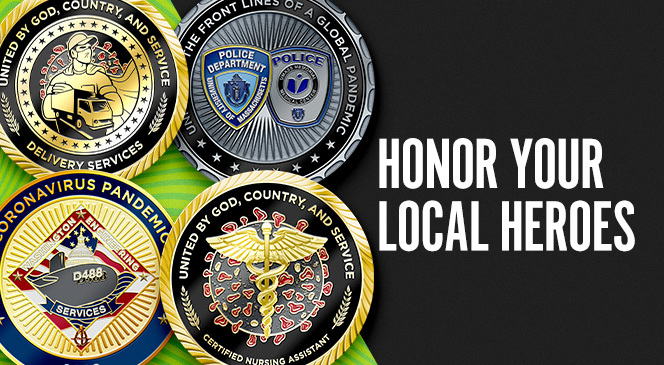
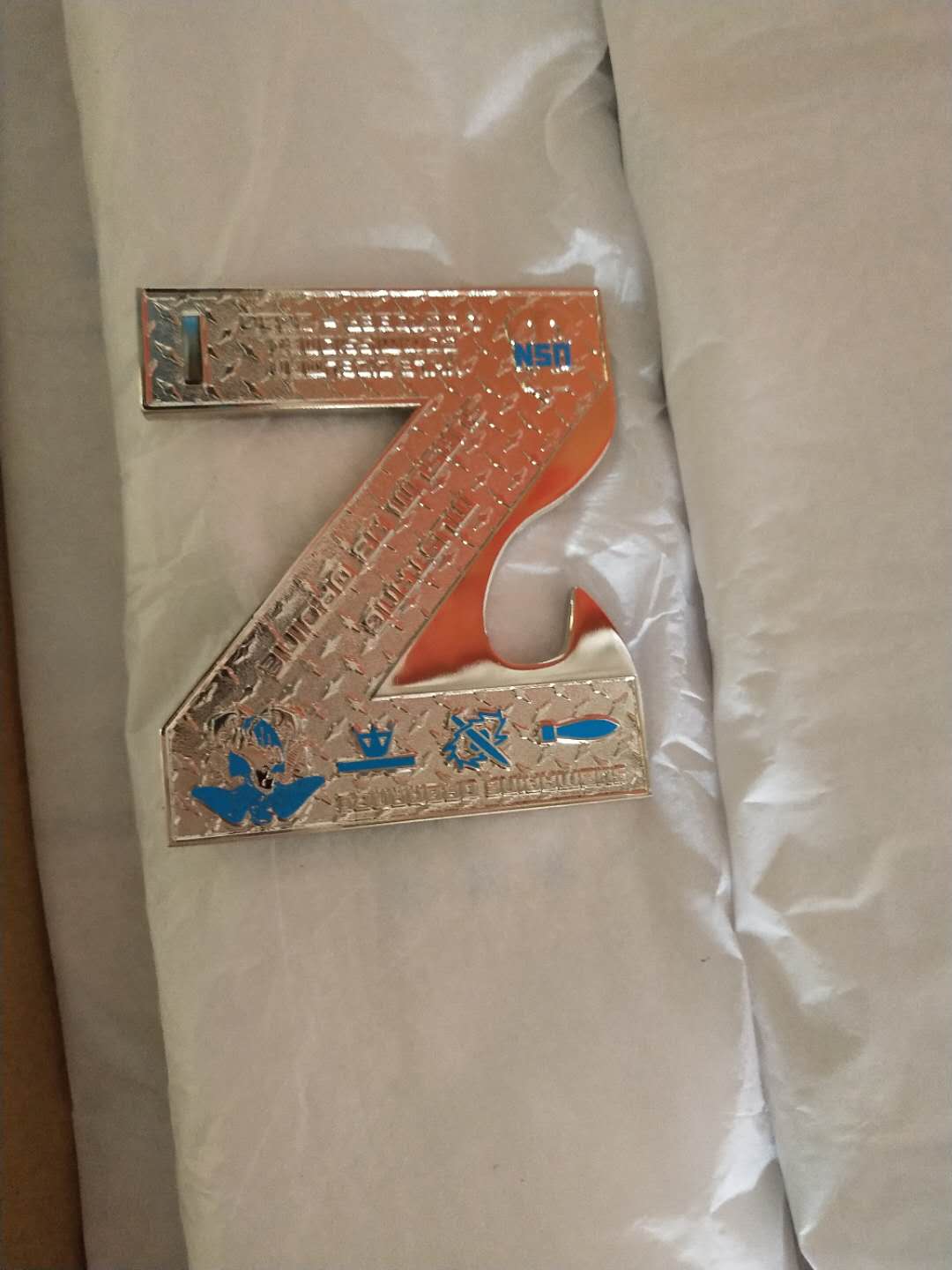
Boss Coins makes it simple-and-easy to design your own coin and be part of the wonderful history of coinage. Choose from a wide variety of shapes, sizes, plating and edges, then customise it your way — add a special 3D effect, turn your coin into a bottle opener or a souvenir key chain. Every coin becomes a timeless keepsake, carrying your story and preserving a memory that lasts forever. Honor your local heroes, community leaders, or loved ones with a coin that celebrates their impact.

Get ready to mint your own coin!

Famous Coin Makers in History

FAMOUS COIN MAKERS IN HISTORY

Medieval Minting

Was the first coin maker in history a woman? 

What does Isaac Newton have to do with the way our coins look today?

In this article, we explore these and other interesting facts about the history of coins and the amazing people behind them.

A Brief History of Coins

The true origin of coins is as mysterious as it is intriguing. It’s hard to establish precisely how or when the world’s first coins began to circulate, but historians would agree that metal objects saw common exchange—whether by weight or for commodities—as early as 5,000 BC.

At a certain point in history, ingots became a form of currency, and had an inscribed seal or certificate of their metal weight and purity, which included gold, silver, copper and bronze. Stamped or sealed ingots predated minted coins, however, written records reveal that ancient coin makers in China were producing coins out of cut or rounded metals as early as 3300 BC. While not much is known about these ancient coins today, it is believed that these early “money coins” were round, without inscriptions, and made from iron. Bronze money coins, which were round with a cut-out square in the middle, would be introduced during the Chou dynasty, around 1105 BC.

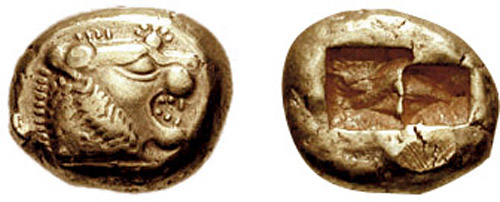
Today, numismatics divides coin history into four major classes: Chinese coins, Ancient coins, Medieval Coins, and Modern Coins. Ancient Greek historian Herodotus would attribute the first ever coin mintage to the Lydians, stating that they were the first people to master the art of coinage. Lydia was an Iron Age kingdom in modern Western Turkey, and minted coins of gold and silver alloy, known as electrum, as early as the 7th century BC. Some of the earliest coin designers in history were priests in the Lidyan kingdom, where they would produce “die-struck” coins which portrayed images of animals, the most famous of which was a lion, and would use these coins in religious rituals. Shortly thereafter, King Alyattes of Lydia (610-560 BC) became the first ruler to issue gold and silver coins as an official currency among the populace.
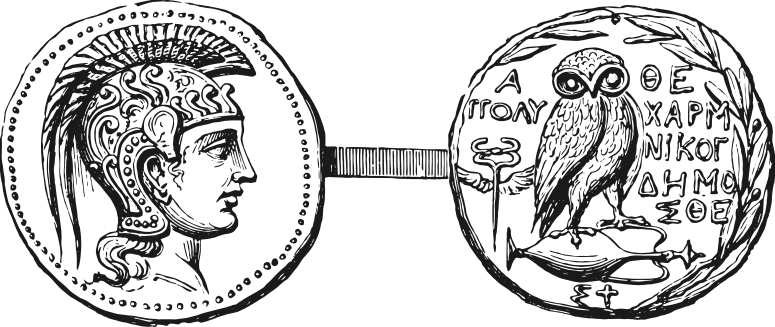
Some historical texts suggest that King Midas of 8th century BC married a princess by the name Hermodike II, who was considered the first coin maker of Ancient Greece and was responsible for bringing coin-making knowledge to the western world. This historical context is somewhat conflicting with the chronology of coin usage in the Kingdom of Lydia, which has led many historians to suggest that Hermodike II was actually married to King Allyattes, and was in fact responsible for communicating the knowledge of coin-making from Lydia to Ancient Greece. While precise historical events remain unclear, historians often agree that Hermodike II may have very well been responsible for introducing the knowledge of coin-making across the world.

Let’s look into them in more detail:

King Alyattes

Alyattes of Lydia was the first-ever monarch in recorded history to issue minted coins as a form of official currency. Although the first stamped coins, made of electrum and called the Lydian Lion, were recognised as a tax token for noblemen, they remain the first substantial recording of minted coins used as a form of currency among a population in history.

Hermodike II

The Ancient Greek princess Hermodike II is credited by Aristotle with being the originator of coin making in western civilisation and is thought to have brought the archaic art of coinage from the Kingdom of Lydia to Ancient Greece, where it would swiftly become a standardised form of currency among the general population and revolutionise trade and commerce for the entire world.

Medieval Moneyers

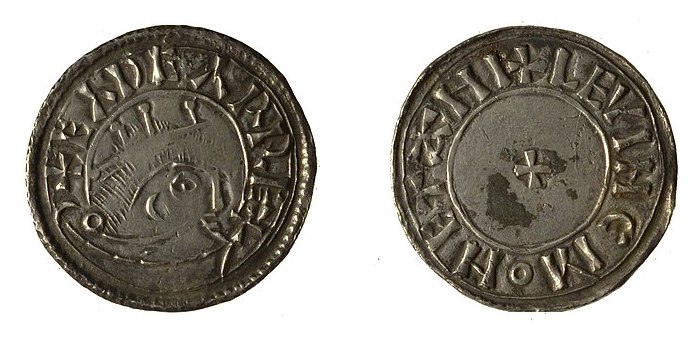
Most coin designers of the Middle Ages remain unknown to history as they are believed to have played a small role in the process of coinage, which typically involved the issuance of an approved die cast from a King or dignitary to licensed moneyers who would then mint the coins for circulation. One historical account reveals how during the reign of King Henry III of England, the coinage was altered and made more precise to deter money clipping (the removal of small bits of silver from the edge of a coin), and a new die was issued to be used freely by licensed moneyers. Throughout and after King Henry III’s reign, a large number of people would be convicted of money clipping and hanged for their alleged crimes.

Pisanello

Renaissance: Commemorative coins are born.

During the Renaissance, exclusive coins became a popular form of commemoration among nobility and were dubbed “Portrait Medals”. These family coins often depicted the likeness of an individual on one side and a respective honour, seal or symbol of lineage on the other. Commemorative coins were exchanged and granted among nobility to highlight a special event, serve as a gift or to bestow an honour, and were highly-valued for their artistic and personal significance.

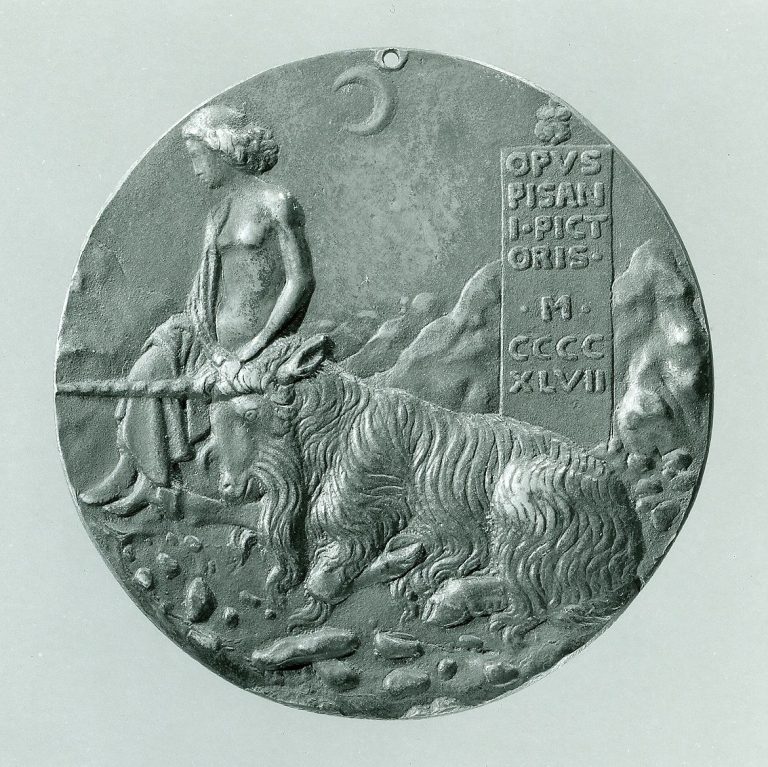
Born in the late 14th century, Pisanello was a famous painter and draftsmen of the Italian Renaissance, and is credited with inventing the first portrait medal. Inspired by the Byzantine emperor John VIII Paleologus’s visit to the Roman Catholic Church, Pisanello made sketches of the emperor which he would use to design a 10cm-wide cast metal relief of the emperor’s portrait. This newfound artistic concept garnered the interest of Italian nobility, who began commissioning Pisanello for custom portrait medals and quickly spreading their popularity across Europe. Today, portrait medals are considered an exquisite collector’s item of unmatched rarity. The original medals date back hundreds of years and offer a glimpse into the artistic culture of the Renaissance era, where age-old lineages and key figures can be linked to historical events with the help of these one-of-a-kind pieces.

Cecilia Gonzaga portrait medal by Pisanello, 1447

Isaac Newton

The inventor of modern milled coin edges.

One of the most famous scientists in history, Isaac Newton, may surprise you to know that he was in charge of the Royal Mint for 30 years and played a major role in how our money coins are shaped today. 

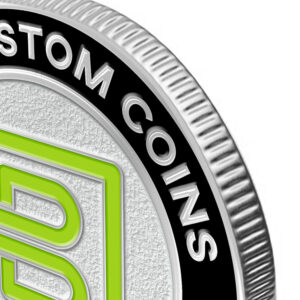
Because coin clipping was such a major problem during his time, Isaac Newton provided the solution of rounding coins and marking their edges with letters or other fine graining using milling machines.
 
The new coinage made it virtually impossible to clip coins without notice, and solved an age-old dilemma that had seen countless (and questionably guilty) individuals hanged for money clipping.
Reeded Edge

George T. Morgan

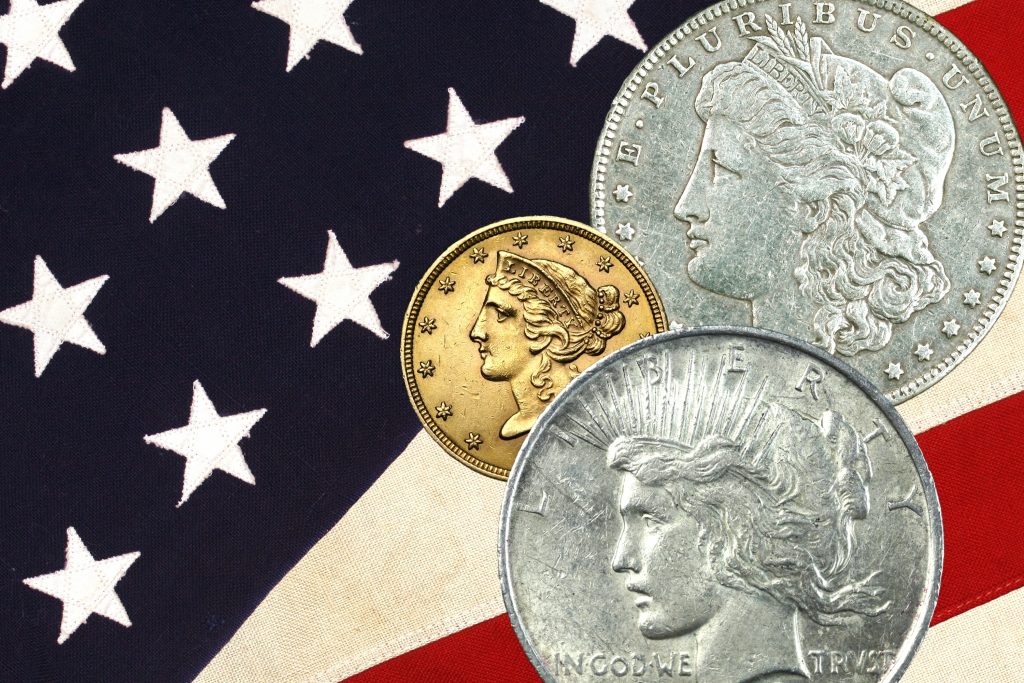
A famous coin designer, George T. Morgan, served as a chief engraver of the United States mint from 1917 and designed several popular coins, one of which was the Morgan dollar. 

This famous coin is known for its role in the Pittman Act of 1918, which saw up to 350 million silver dollars melted by the United States in order to replenish England’s shortage of silver during World War I. 

This accounted for a large portion of the Morgan Silver Dollar mintage, a supply which was eventually replaced by the Peace dollar in 1921.

Roman Booten

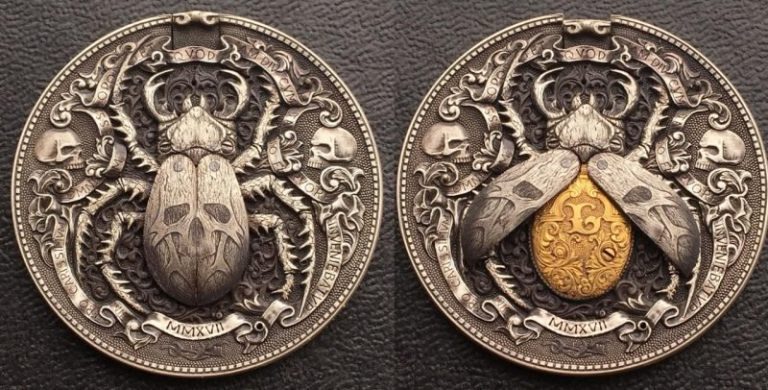
Modern artist Roman Booteen is world-renowned for his talents in hobo nickel — the art of hand-engraving coins into creative and often intricate pieces. 

Coin engraving dates back hundreds of years, with the term ‘hobo nickel’ rising to popularity in the early 20th century thanks to the US nickel’s softness and dimensions, while the art form also includes a wide variety of coins and metals.

Become a Coin Maker

How about becoming a coin maker yourself? At Boss Coins, we find that the best designs evolve when the clients give us detailed input during the creation process. We love working together to create unique coin designs. With free proof and unlimited revisions, you can feel free to design your dream coin with us. All you need to get started is to get in touch with us. If you have any references to share, that’s great; if not, just tell us what you have in mind, and we will give you some suggestions. Let’s get creative together.

How Coins are Made

HOW CHALLENGE COINS ARE MADE

The 5 Main Stages of Challenge Coin Production

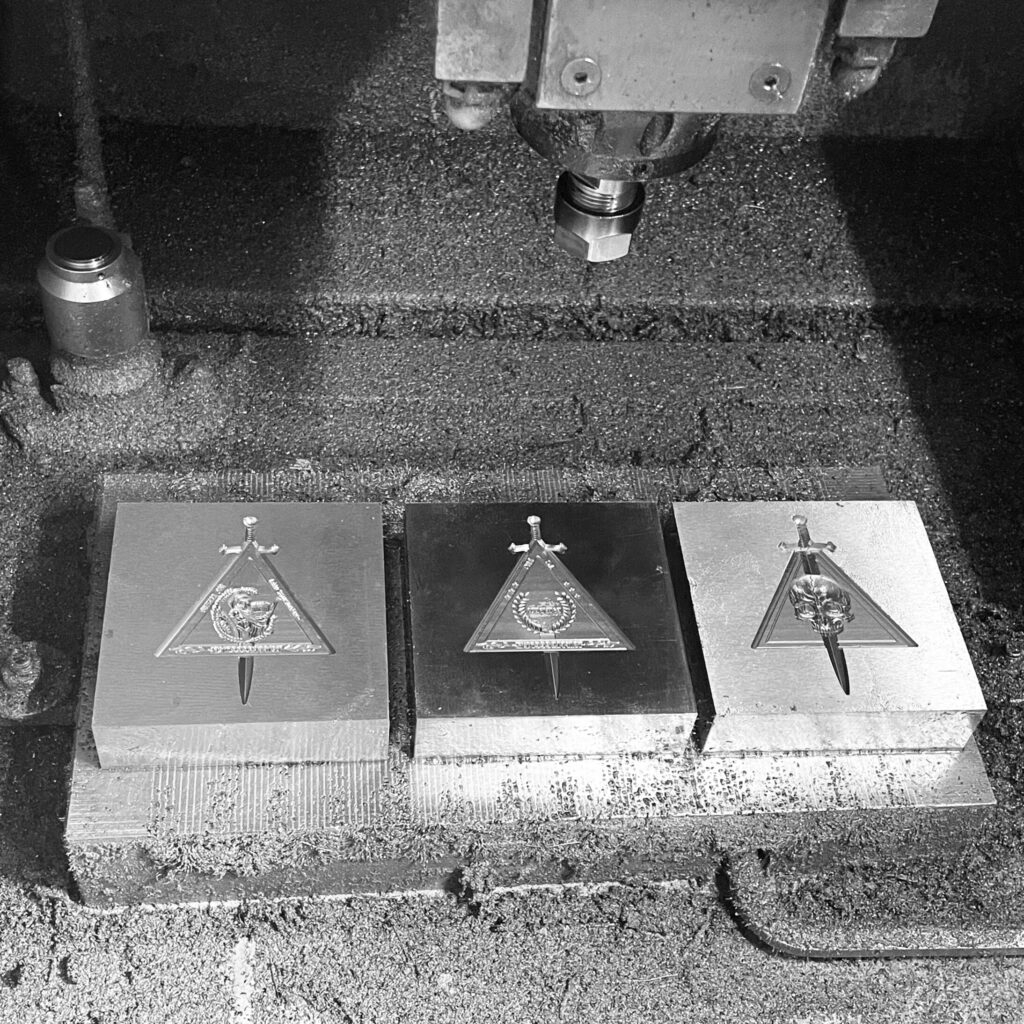
1. Crafting the Mold

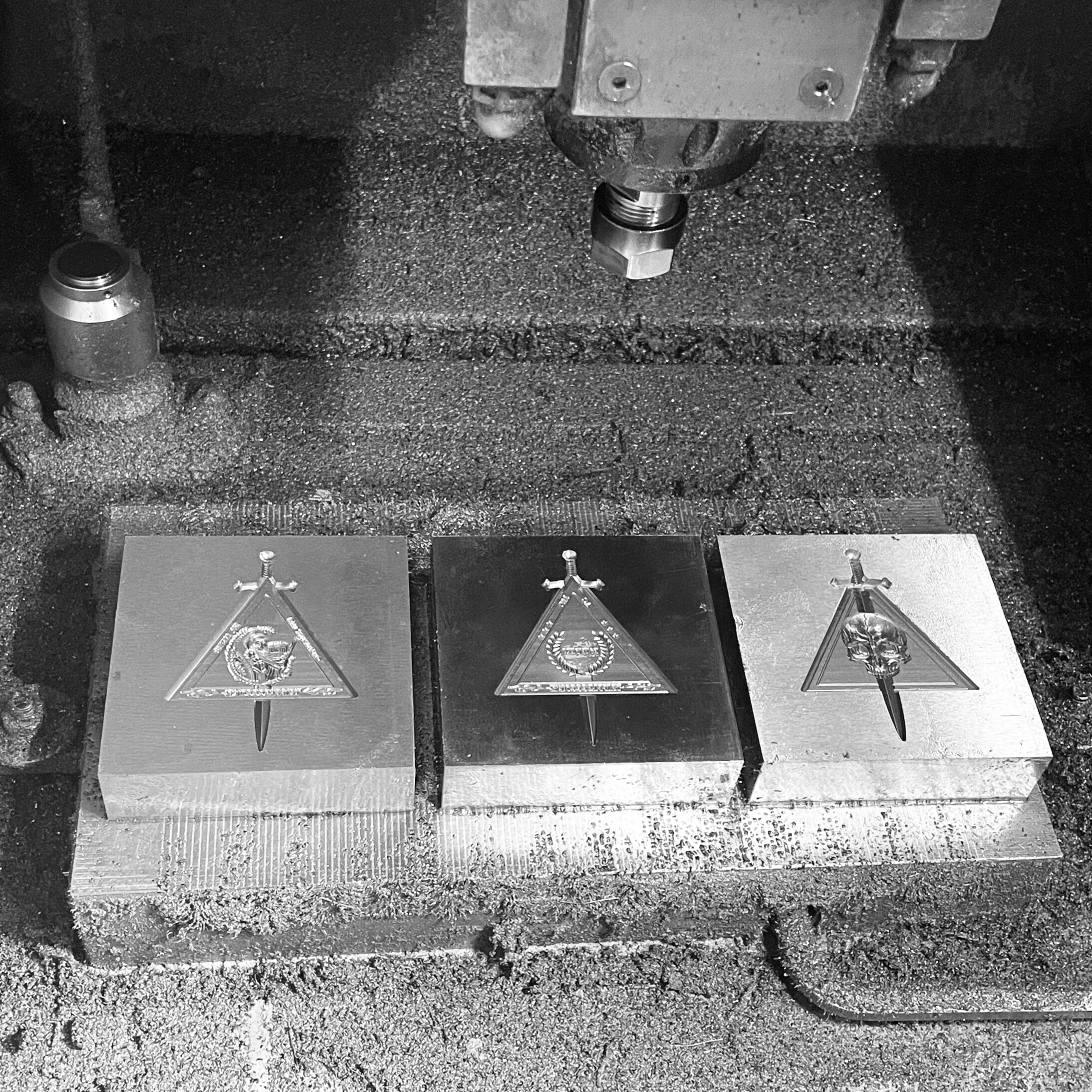
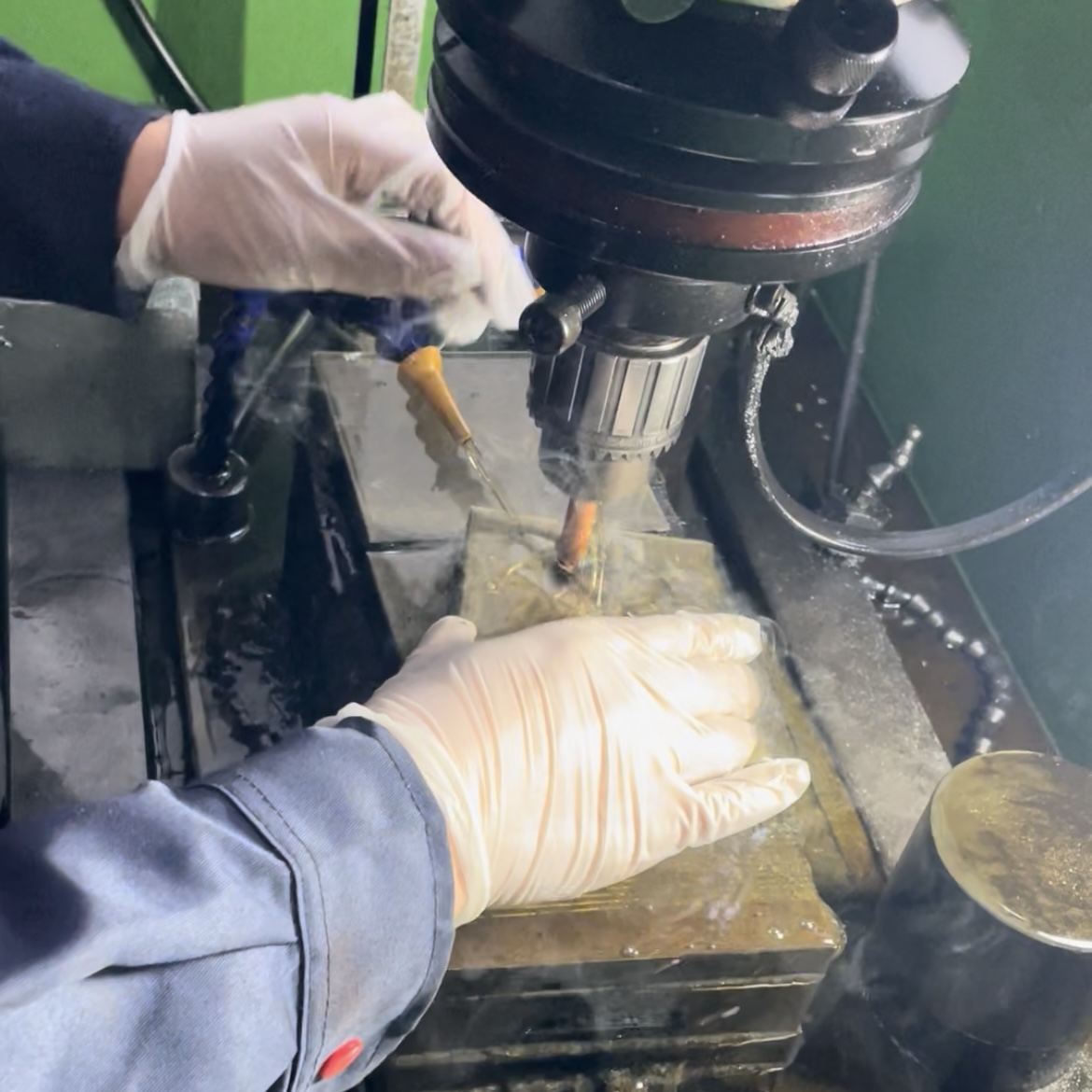
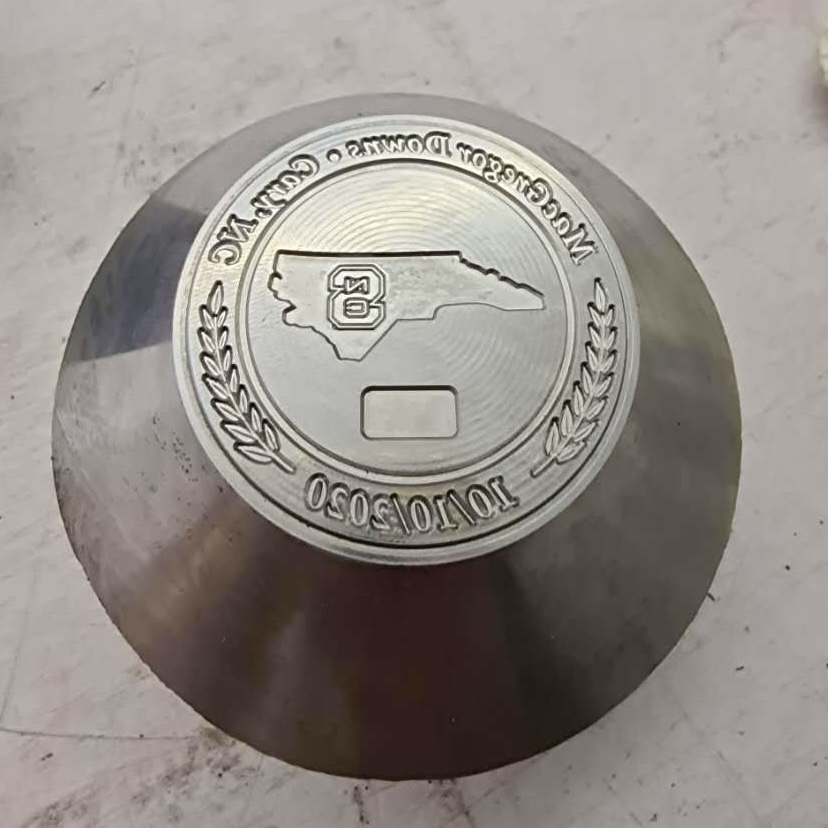
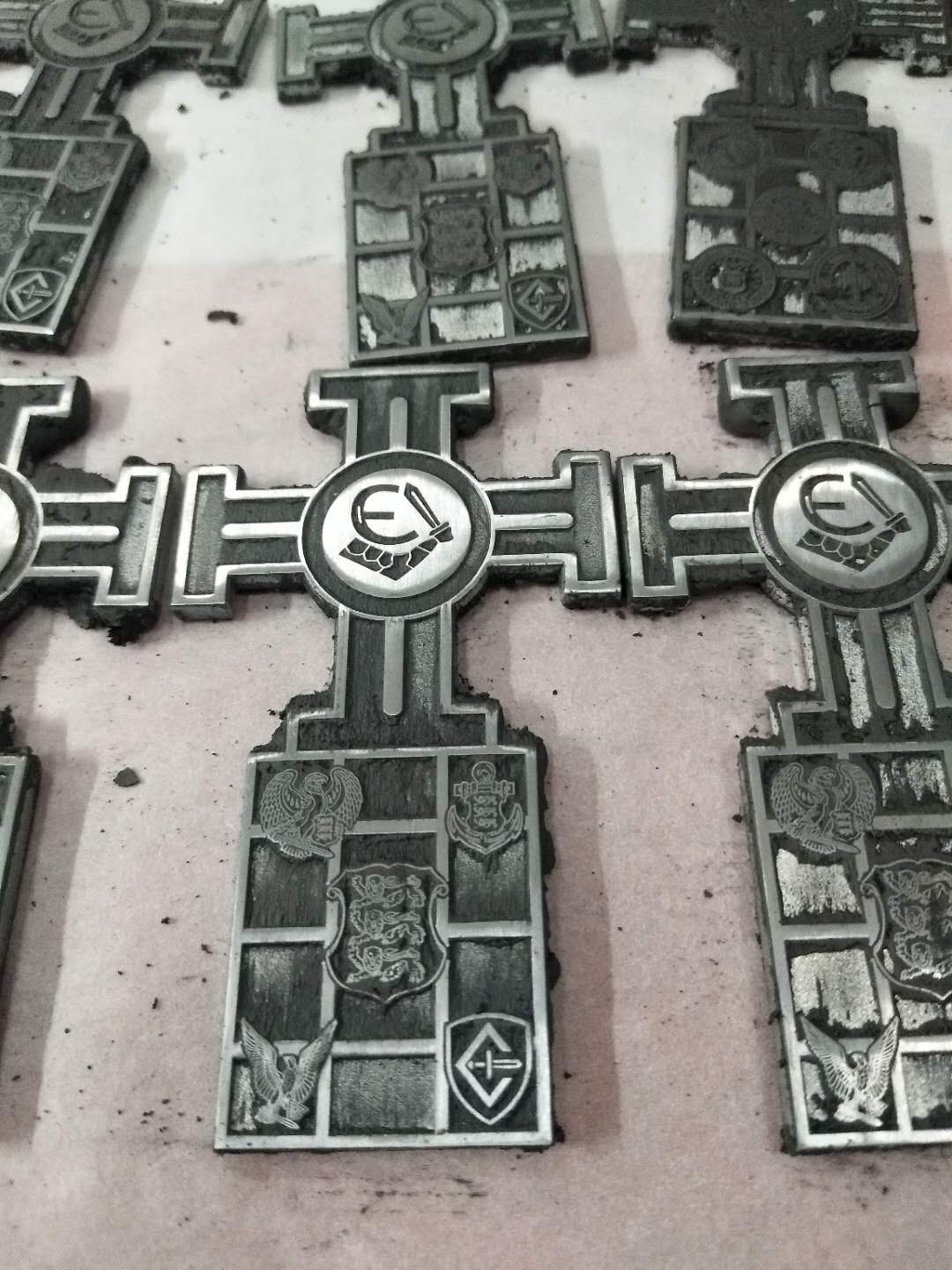
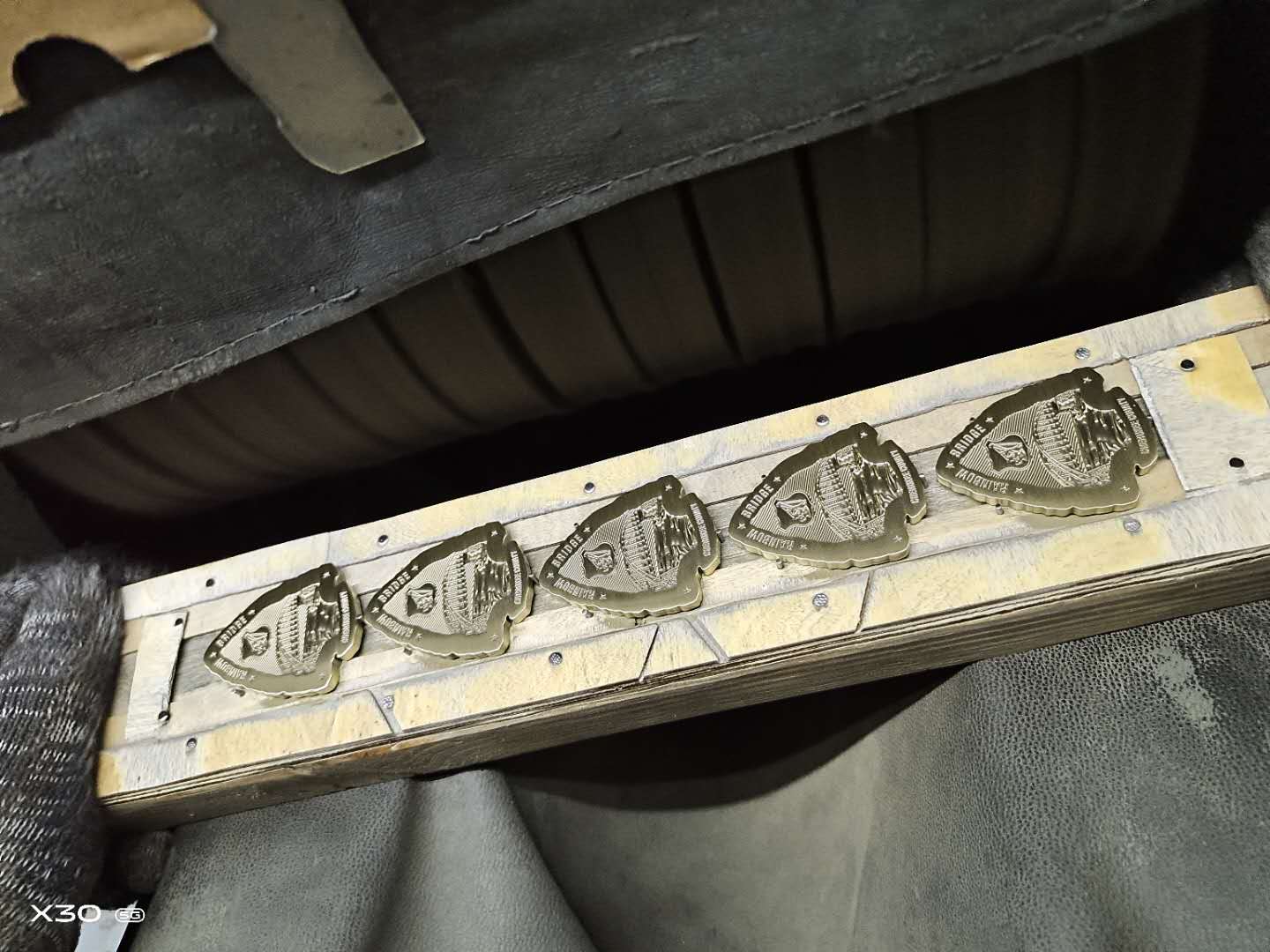
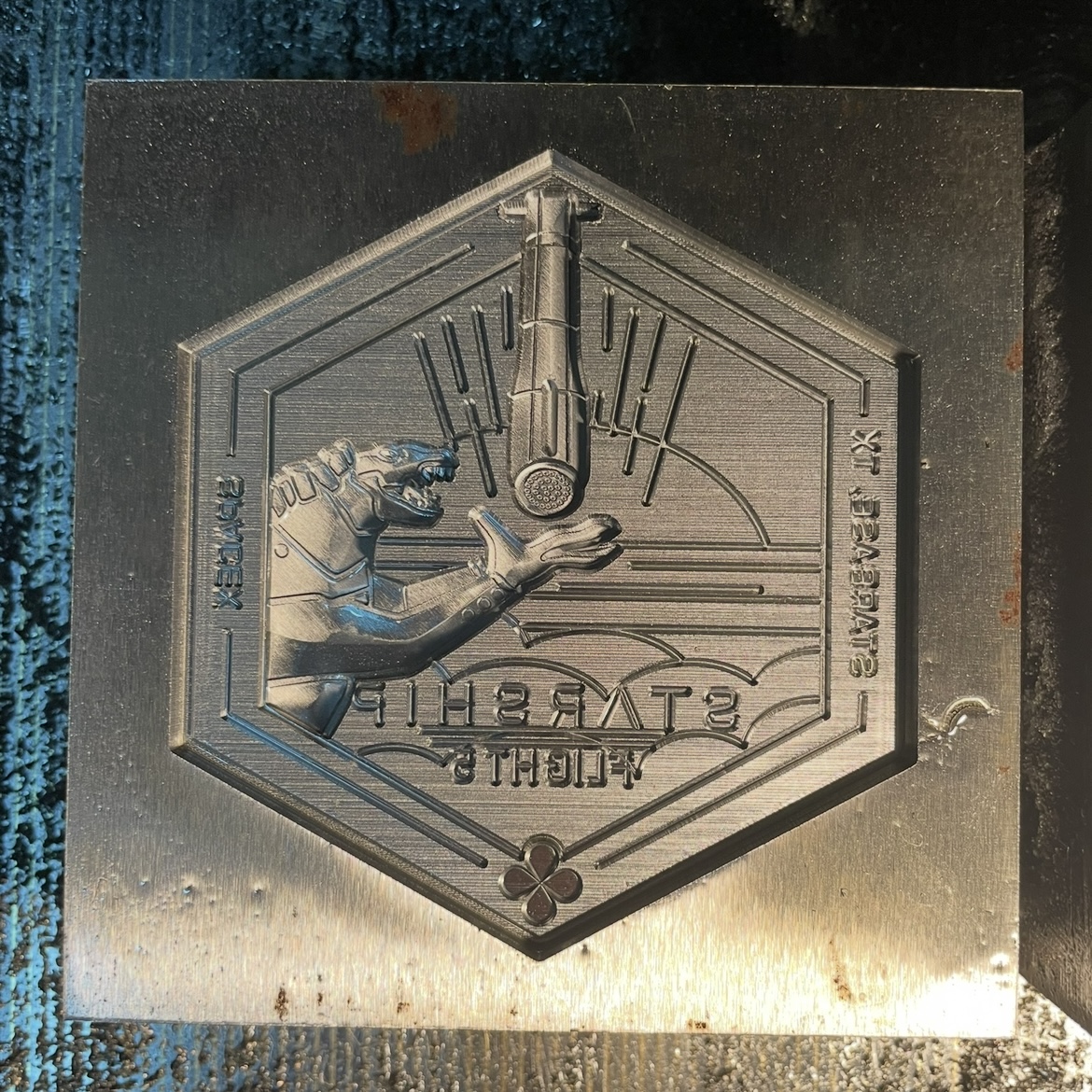
Every coin begins with a masterful mold, forged from high-carbon steel for ultimate precision and durability. Our artisans bring the artwork to life, translating every detail into the CNC engraving machine. Each mold is meticulously verified against the original design, then heat-treated to ensure it can withstand the stamping or casting process with precision.

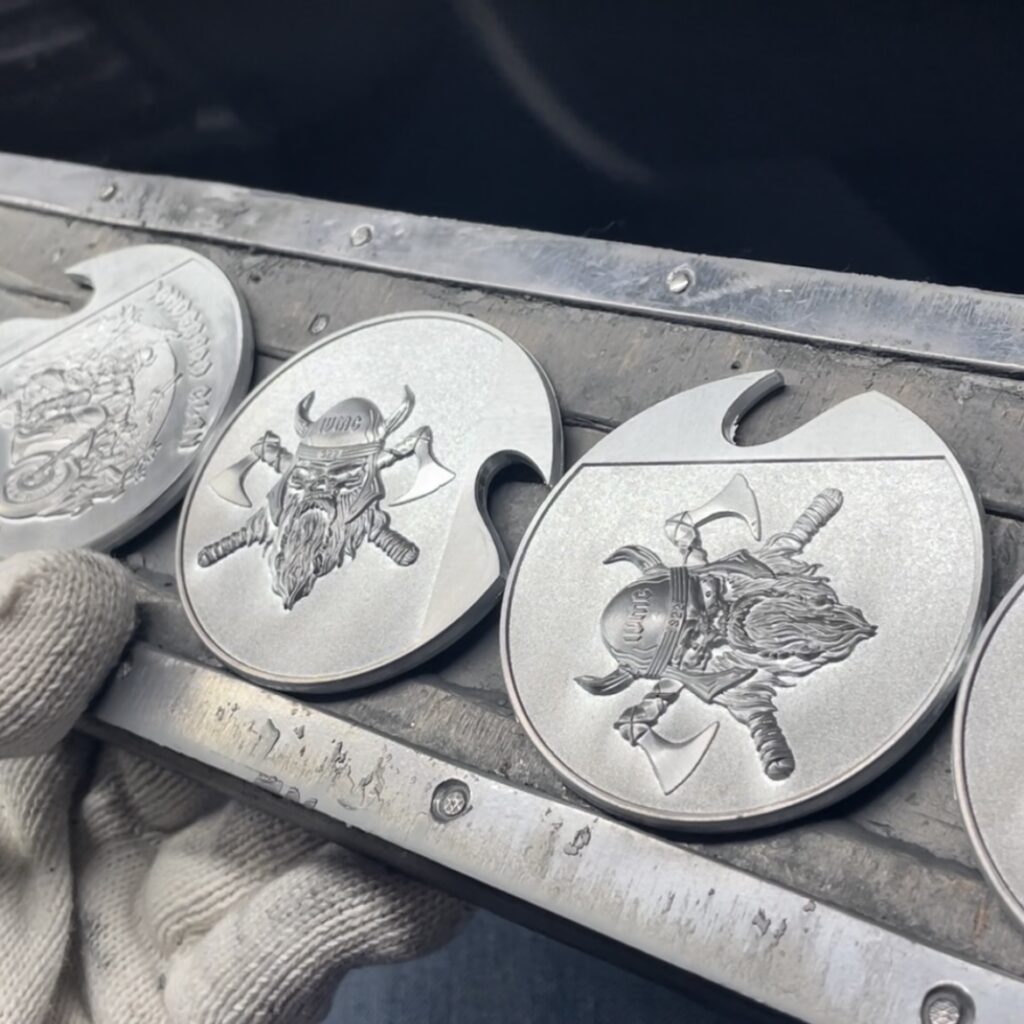
3. Polishing to Perfection

Once shaped, each coin is polished to a silky smooth finish, removing any imperfections and giving it that first touch of brilliance. After plating, they come back for specialty polish.

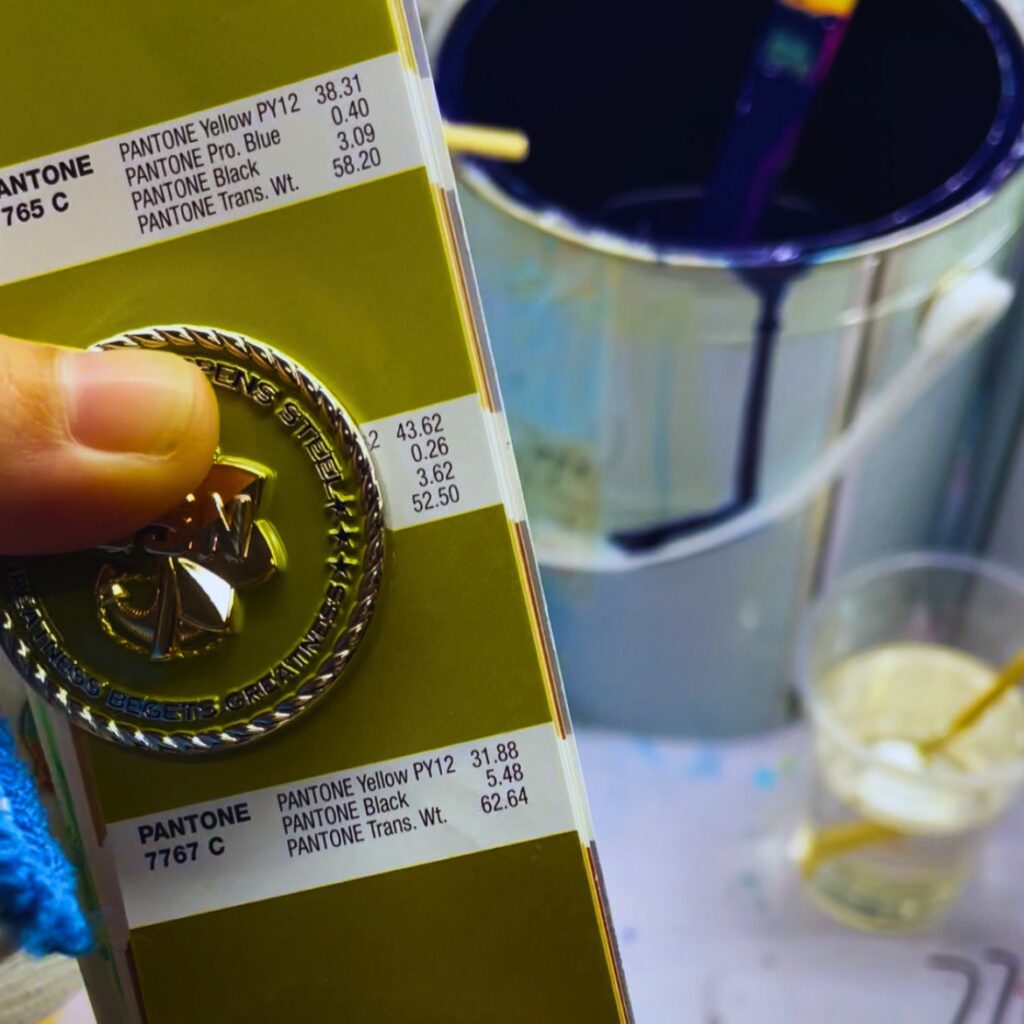
5. Adding Colors: Enamel
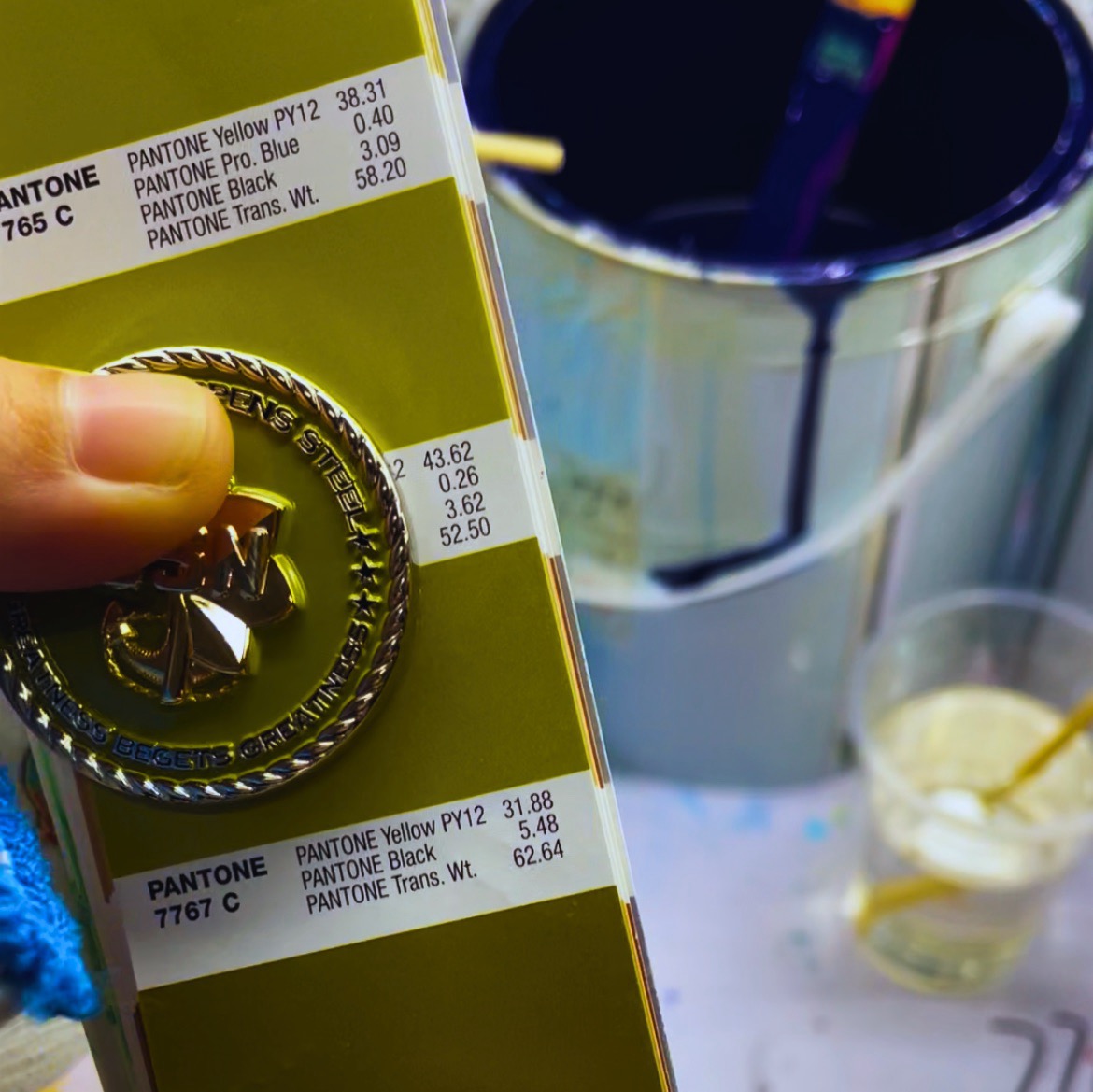
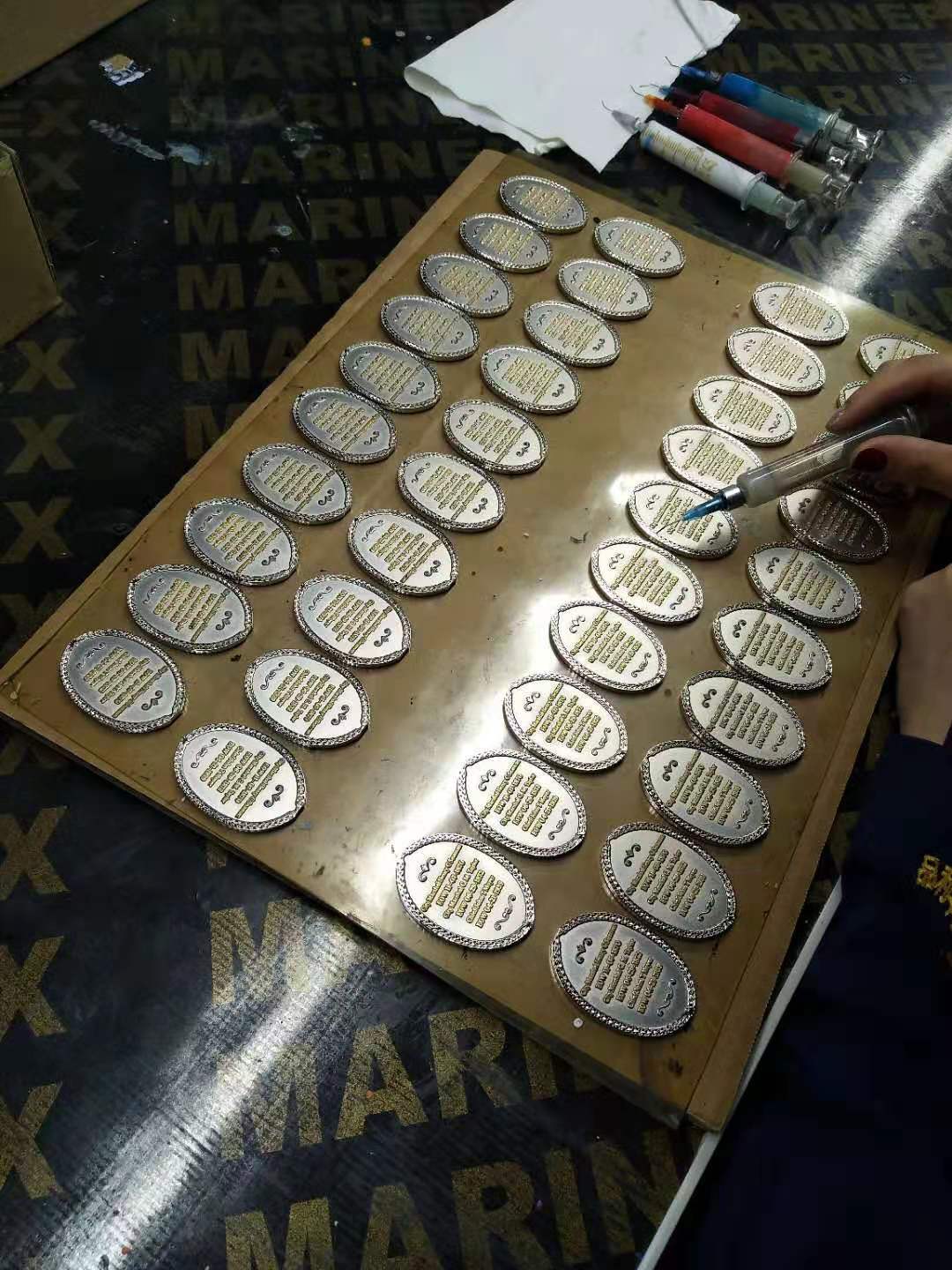
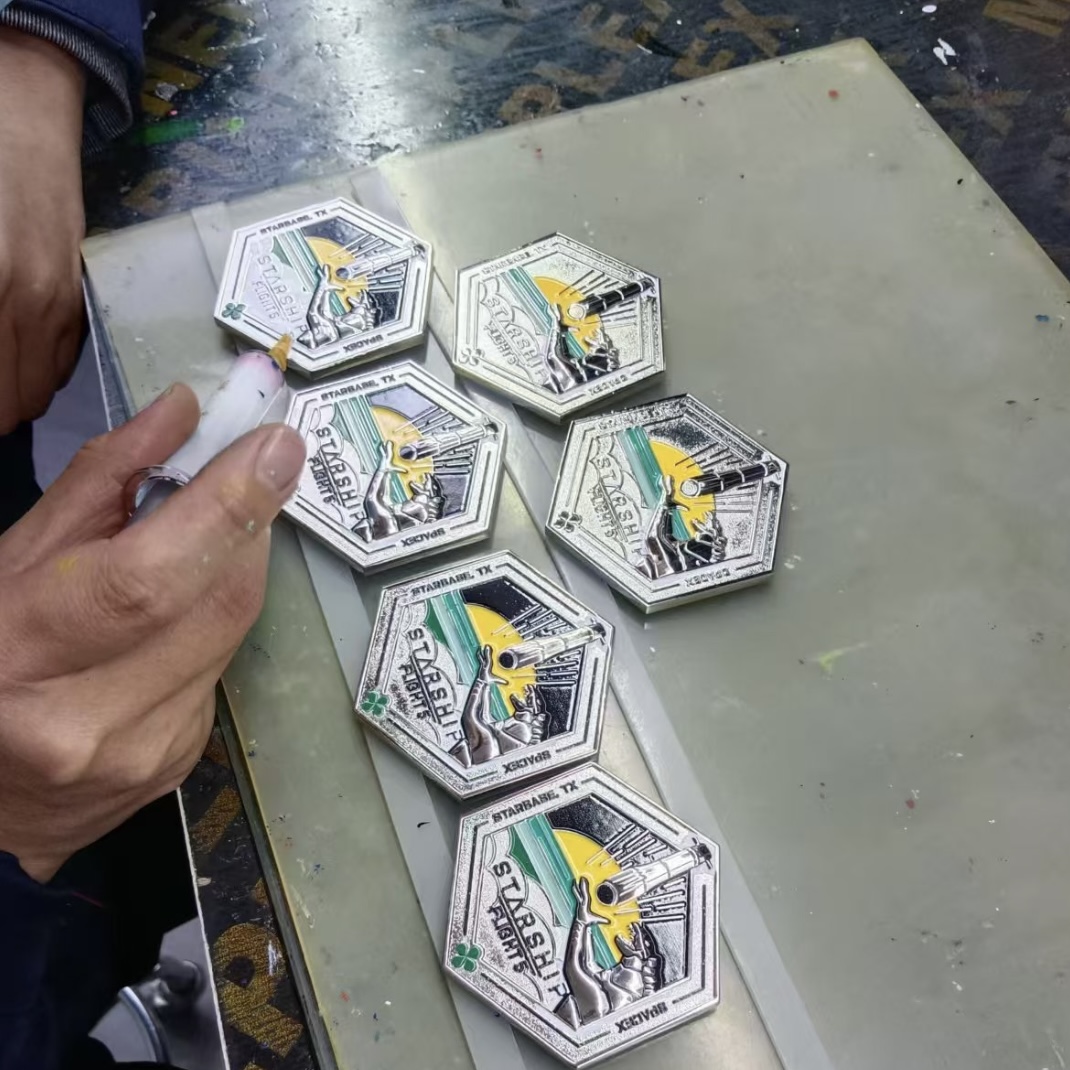
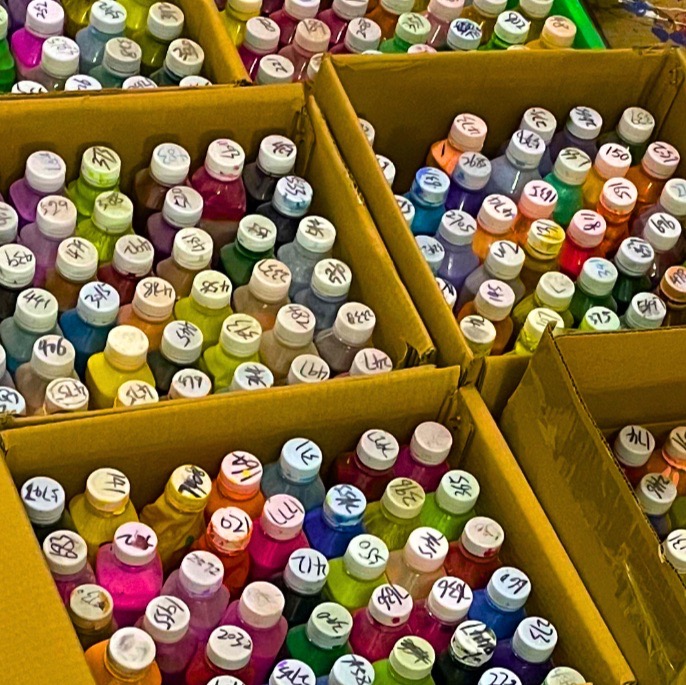
Using Pantone-perfect colors, we fill the coins with enamel paint by hand. A final high-temperature bake sets the colors, ensuring they remain vibrant for years to come.

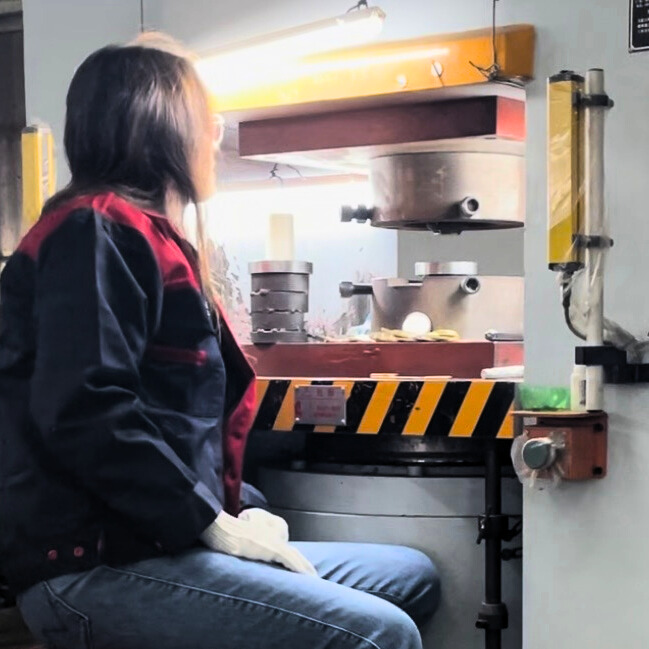
2. Bringing Designs to Life

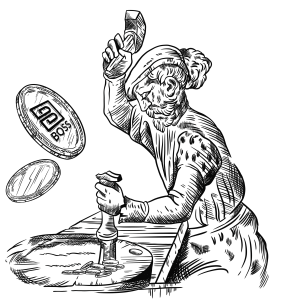
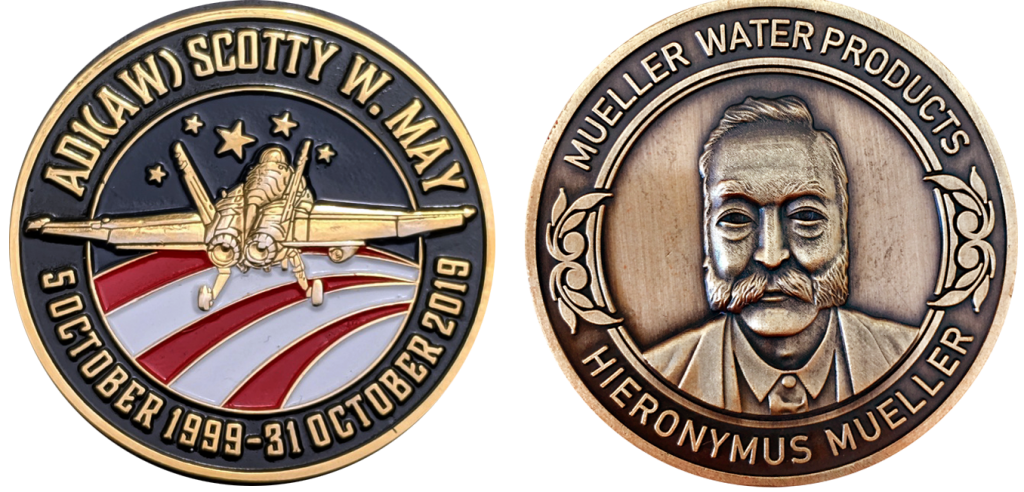
2D Coins (pictured above): The mold meets metal in a high-pressure stamping process, imprinting the design with flawless accuracy.
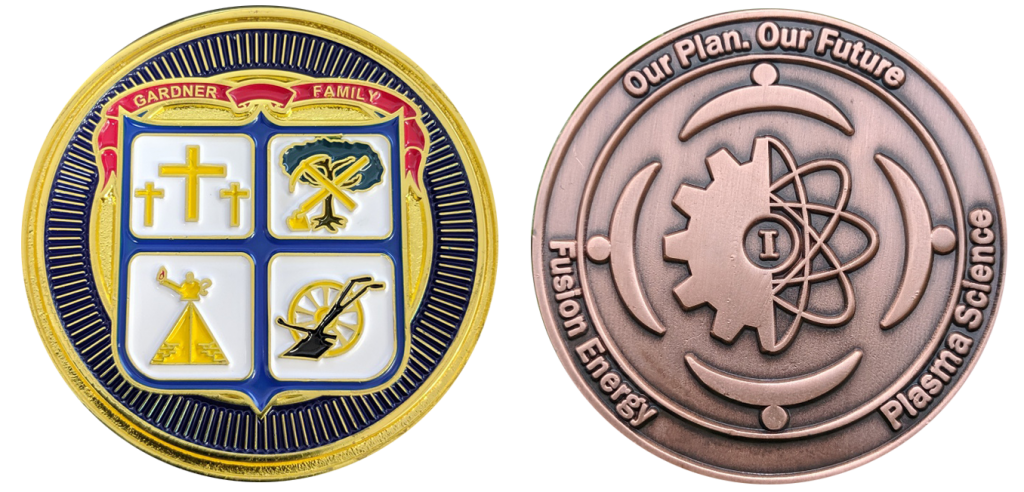
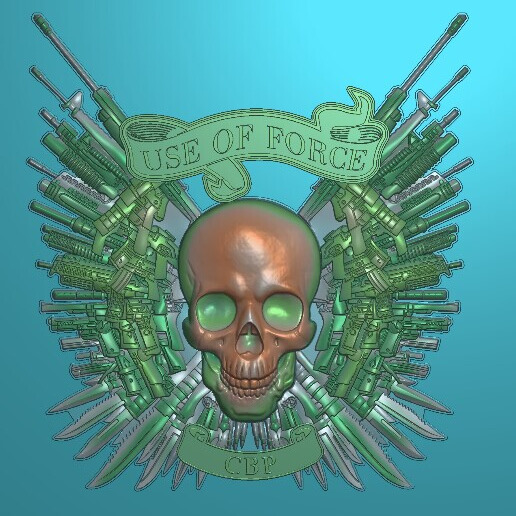
3D Coins: Molten metal flows into die-cast molds, capturing intricate depth and detail for coins that resemble a sculpture.

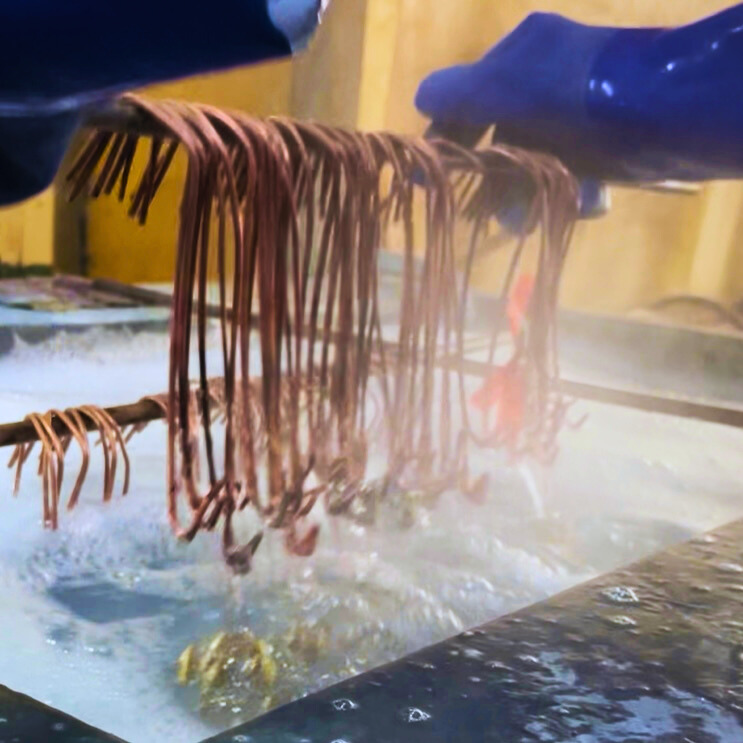
4. Finishing with Electroplating

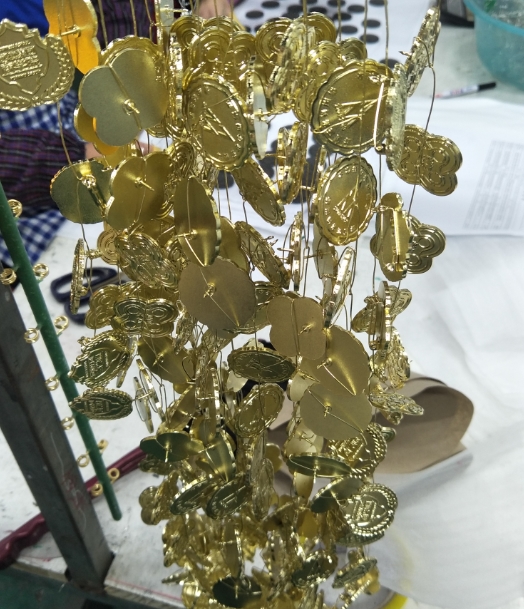
Our coins are plated with metals like gold, silver, or copper, creating a lustrous, long-lasting finish. Plating protects against wear and oxidation while giving the coin a jewelry-like finish.

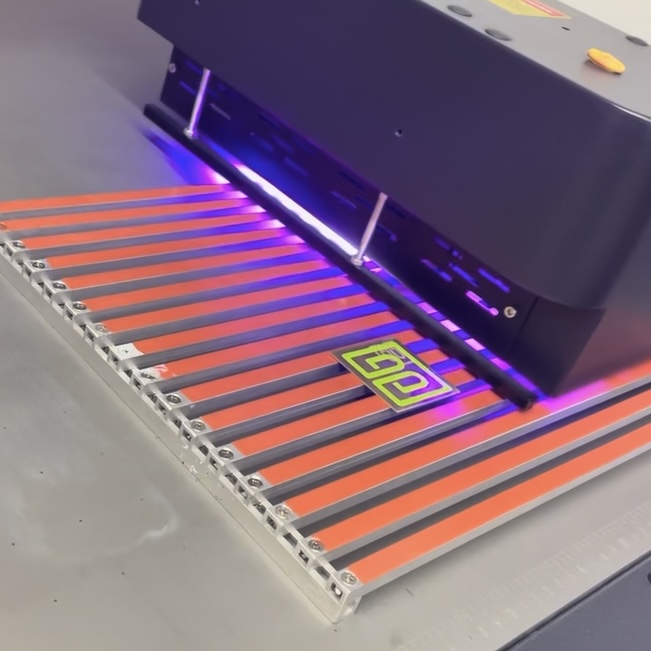
5. Adding Colors: UV Print

Our state-of-the-art UV printer creates masterpieces on the metal surface. It is used for designs that require picture-quality images, complex gradients, or tiny text.

Challenge Coin Production Gallery

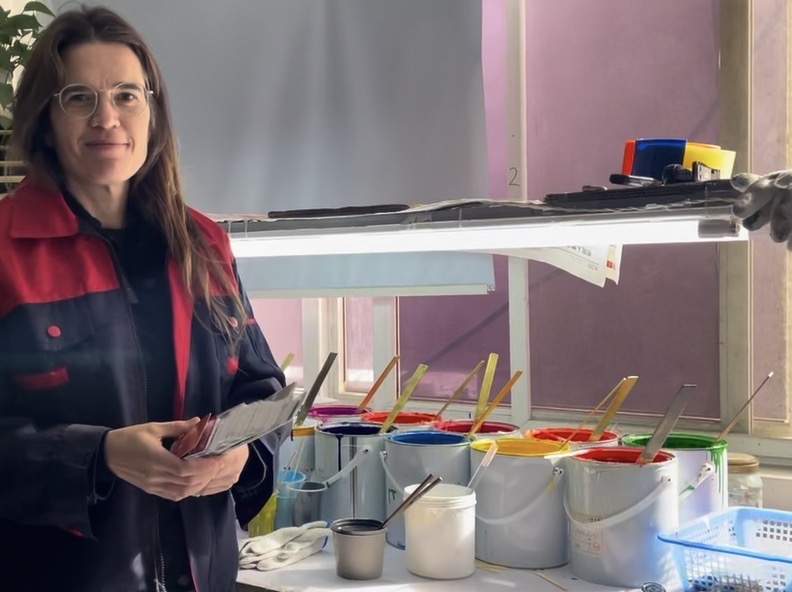
Chief Coin Officer (CCO), Daniele, at the enamel mixing station. At Boss Coins, each enamel color is hand-mixed and precisely matched to the Pantone chart.

Collaborative Creation

Creativity doesn’t happen behind a desk. Our management and design teams work shoulder to shoulder with our artisans at the workshop. This proximity allows us to experiment with textures, materials, plating, and molding techniques.

A Hands-On Philosophy

By maintaining a presence at every stage of production, we don’t just manufacture; we curate. When you choose Boss Coins, you aren’t ordering a product from a factory line—you are commissioning a work of art from a dedicated studio.

Visits our Coin Options page to find out more about our techniques and materials:

State of the Art Manufacturing - The Boss Coins Promise

Quality Guarantee

We want your coins to stand the test of time, just like the memories they hold. At Boss Coins we use state of the art coin manufacturing equipment to make sure every detail, from mold production to plating to enamel filling comes out smoothly on the coin. We use only premium quality materials so you can be sure to expect the very best quality each time. 

Our coins are rust proof, scratch resistant and have that jewellery feel you can only get from the very best coin craftsmen. Minting coins is an art that demands time to master. Our manufacturing team is lead by experts with over 20 years of experience in the field.

Mold Types

Die Cast vs Die Struck Coins


Die casting is the process by which molten metal is poured into a die and left to cool and harden into a coin, medallion or other object shaped by the intricate details of the customised die. It is ideal for portraits and other elaborate images.

Die struck coins are made through the process of force, where a metal press is used to stamp the die onto a raw metal and create the intended design. Die striking is ideal for detailed colourations with enamel and is often preferred in the case of higher quality metals.

Coin Plating Types and Styles

Coin plating offers a variety of metals, styles and finishes to choose from. Metals include gold, silver, nickel, and copper, and come with the option of a high-polished or antique finish — based on your preference for an elegant and shiny coin or a refined matte colour with timeless antique features. Your coin can also be “dual plated”, when more than one type of plating is used on the same coin. For more information about challenge coin techniques and style, please visit our Coin Options Page: